
Copyright ©. Powered by onetech®
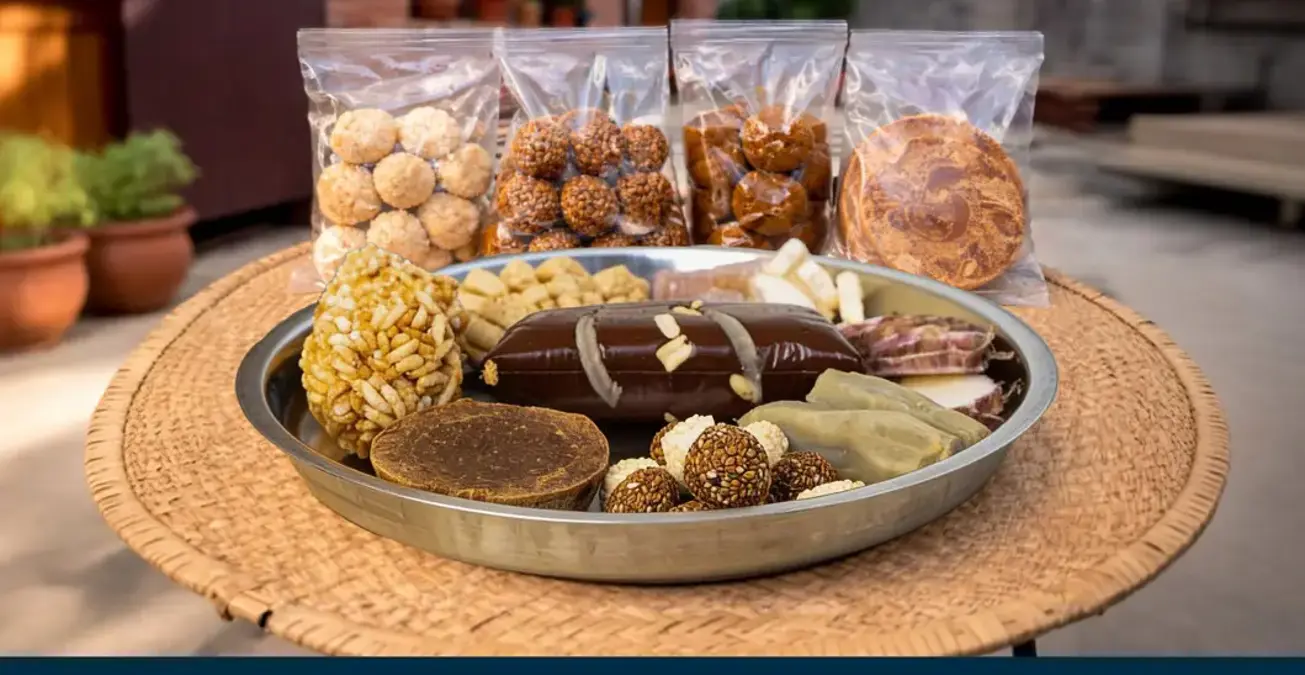
Maghe Sankranti is one of Nepal’s most culturally significant festivals, marking the transition of the sun into the zodiac sign Capricorn (Makara). Celebrated every year in mid-January, this festival symbolizes longer days, renewed energy, and seasonal change. Across Nepal, families come together to honor traditions, enjoy warm foods, and share prosperity.
While Maghe Sankranti is deeply rooted in history, the way festive foods are prepared, stored, and distributed has evolved, bringing modern packaging solutions into everyday cultural practices.
In Nepali tradition, Maghe Sankranti represents the end of the harsh winter period and the beginning of favorable agricultural conditions. Many communities take ritual baths in rivers, believing it cleanses the body and soul. The festival is especially important for farmers, elders, and families who value seasonal balance and well-being.
Food plays a central role in Maghe Sankranti celebrations. The festival emphasizes energy-rich and warming foods such as:
Til ko Laddoo (Sesame Laddoo)
Chaku (burnt jaggery)
Gud (jaggery blocks)
Lentils and pulses
Rice and grains
These items are commonly prepared at home, shared with relatives, sold in local markets, and distributed in bulk during the festive season.
As demand for traditional food items increases during Maghe Sankranti, safe and reliable packaging becomes essential. Foods like sesame laddoos, jaggery, lentils, and rice require protection from moisture, contamination, and handling damage, especially when transported or sold commercially.
This is where transparent polypropylene (PP) bags have become a preferred packaging choice.
Polypropylene bags offer practical advantages that align well with traditional Nepali food products:
Transparent appearance allows customers to see the product clearly
Moisture and chemical resistance helps preserve food quality
Lightweight yet durable, suitable for bulk and retail packaging
Recyclable material, supporting sustainable packaging goals
Because of these properties, PP bags are commonly used to pack til ko laddoo, chaku, jaggery, lentils, rice, and dry food items during festivals like Maghe Sankranti.
At National Plastic Industries, we manufacture transparent polypropylene (PP) bags designed for food-grade and general-purpose packaging. Our solutions support businesses, wholesalers, and food producers who need dependable packaging—especially during high-demand festive seasons.
By combining traditional Nepali food culture with modern, recyclable packaging, local producers can maintain hygiene, extend shelf life, and present products more professionally.
Festivals like Maghe Sankranti remind us that tradition and innovation can coexist. As food distribution becomes more organized and market-driven, responsible packaging plays a quiet but important role in preserving quality and reducing waste.
Explore our polypropylene bag solutions or request a quote to support your festive and everyday packaging needs.


